The Warm-Floor Day Planner: Scheduling UFH Around Nottinghamshire Routines and Off-Peak Power

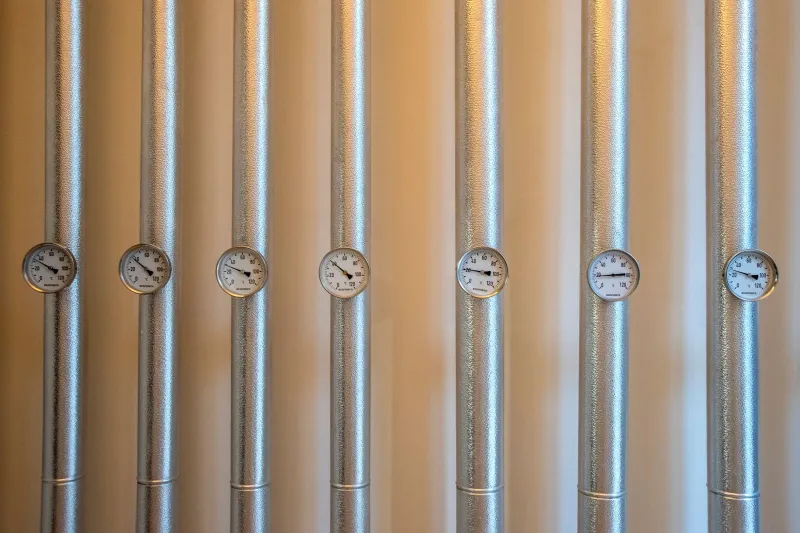
Photo: smart thermostat underfloor heating UK home, via thumbs.dreamstime.com
Underfloor heating has a reputation for being slow, steady and a bit set-and-forget. In practice, most Nottinghamshire homes need something more thoughtful. A schedule that suits a retired couple in a bungalow near Southwell will not suit a family doing the school run from Carlton, and neither will match a hybrid worker in a West Bridgford semi who wants a warm desk at 9am but an empty kitchen by lunchtime.
As we head into winter 2026, the useful question is not 'what schedule should I use?' but 'what does my day actually look like, and when is electricity cheapest?' Get those two things lined up and underfloor heating becomes comfortable, predictable and less expensive to run. Get them wrong and you spend money warming rooms nobody is in.
First, know what you are timing
A wet underfloor heating system buried in screed has a lot of thermal mass. It may take several hours to bring a room up to temperature and several more to cool down. A low-profile electric mat under tile in a bathroom is much quicker, often warming up within 30 to 60 minutes. A retrofitted low-height wet system can sit somewhere in between.
That difference matters. If you have a slow-response floor, treating it like a radiator — off at 8am, on at 5pm — is usually a false economy. The room will feel cool when you get home and the system will work hard to catch up. A gentler setback of two or three degrees is often more comfortable than a full shutdown, especially in older Notts properties that lose heat quickly.
The morning question: warm feet versus cheap power
Most off-peak electricity windows still sit overnight, though the exact hours vary by tariff. If you have electric underfloor heating on a time-of-use tariff, the bathroom and kitchen are often the best candidates for a pre-dawn boost. Warm tiles at 6.30am feel luxurious, and if the power is cheaper then, the maths can work.
But do not preheat every room simply because the rate is low. A spare bedroom, a utility room or a hallway nobody lingers in rarely justifies the effort. Concentrate on the rooms that make the morning easier: the bathroom, the kitchen and the main living space if it is occupied.
For wet systems running from a gas boiler, off-peak electricity is less relevant to the running cost. Here the schedule should follow occupancy and boiler efficiency. A condensing boiler works best at lower flow temperatures, which suits underfloor heating, but only if the floor is given enough time to release heat steadily. Short, sharp blasts tend to waste the advantage.
Hybrid working changes the maths
A home office used five days a week deserves its own zone or at least its own schedule. It does not deserve the whole house being warm all day. If you work from home in a Sherwood terrace or a Ruddington new-build, try heating the office and bathroom in the morning, then bringing the kitchen and living room in later. Bedrooms can usually wait until evening.
Be careful with aggressive setbacks in rooms with lots of glass or poor insulation. A 1930s semi with a cold bay window may need a little background warmth to stop the room feeling damp and unwelcoming. The aim is not to run the heating constantly; it is to avoid the floor fighting a losing battle every afternoon.
A plausible Notts weekday
A workable pattern might look like this. From 5.30am to 7.30am, warm the bathroom and kitchen, especially if your tariff is cheap overnight. From 7.30am to 9am, keep the main living area comfortable if people are getting ready there. From 9am to 4pm, heat only the home office or the rooms actually in use. From 4.30pm to 10pm, bring the kitchen and living room up to normal comfort and give bedrooms a shorter evening boost if needed.
That is not a universal timetable. It is a starting point. Adjust the start times based on how long your floor takes to respond. If the bathroom is still cool at 7am, begin earlier. If the kitchen is too warm by 9am, lower the setpoint rather than opening a window.
Off-peak tariffs: read the small print
Time-of-use tariffs can be genuinely useful, but only if you understand the peak window. Many cheaper electricity plans have a costly late-afternoon or early-evening period. Preheating the floor before that window and then letting the thermal mass carry the room can work well, provided the home holds heat reasonably.
Do not assume cheap overnight power makes electric underfloor heating free to run. It still uses energy, and a poorly insulated room will lose it. The sensible approach is to combine a modest off-peak preheat with a lower daytime setpoint and a realistic understanding of your home's heat loss. For wet systems, the equivalent is running a low flow temperature for longer rather than pushing the boiler hard for short periods.
Smart controls and the temptation to fiddle
Smart thermostats are helpful for scheduling and for seeing how long rooms actually take to warm. They are less helpful when every household member adjusts the app every hour. Constant tinkering makes it impossible to judge whether the schedule is working.
Try a one-week trial. Set a simple plan, leave it alone and note which rooms feel right and which do not. Then adjust one thing at a time. Use weather compensation if your system supports it, and use geofencing cautiously — a floor that takes hours to warm will not respond kindly to an app that only tells it you are five minutes away.
Weekends, wet days and holidays
Weekend routines are different, so use a separate schedule if your controls allow it. A lazy Saturday morning may need a later bathroom boost but a longer living-room warm-up. A wet Sunday may mean more time indoors and a slightly higher setpoint in the rooms you use.
For holidays, do not switch a wet underfloor system off completely in freezing weather. Frost protection matters. On return, start warming the house a day before you need it if the floor is slow to respond. Electric mats can be brought on closer to arrival, but a cold bathroom still takes the edge off a homecoming.
The cost of stop-start
Underfloor heating tends to perform best when it runs steadily at a lower temperature rather than cycling violently. Pumps, actuators and boiler components all prefer gentle operation. Electric systems can respond faster, but frequent on-off scheduling still adds wear and can push a cold room into a costly catch-up cycle.
The hidden cost is not just energy. It is the afternoon spent wondering why the kitchen never feels warm, followed by a plumber or electrician call-out that could have been avoided with a better schedule. A little planning goes a long way.
Local homes, local schedules
Nottinghamshire has a useful mix of housing. Victorian terraces around Carlton and Sherwood often have smaller rooms that warm quickly but lose heat through older walls and windows. West Bridgford semis frequently have extensions and open-plan spaces that need zoned control. New-builds around Edwalton and Ruddington are usually more airtight, so setbacks hold better and preheating can be shorter. Outbuildings — a garden office or a converted stable — need their own schedule entirely, ideally separate from the house.
The right plan is the one that matches your routine, your building and your tariff. Start with the rooms you use most, set realistic warm-up times and use cheaper electricity for preheating rather than for heating empty space. Then leave it alone for a week and see what the floor tells you.