The Heritage Floor Rulebook: Underfloor Heating in a Nottinghamshire Conservation Area
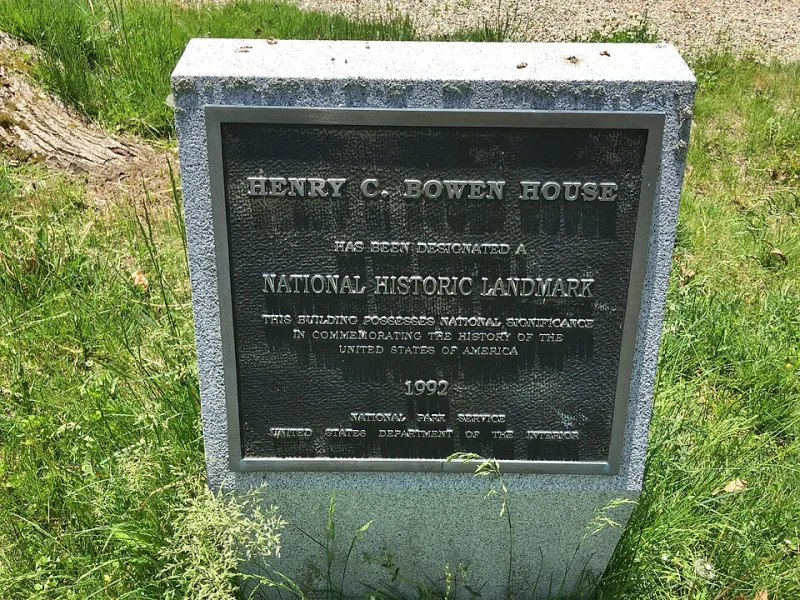
Photo: Msact, CC BY-SA 4.0, via Wikimedia Commons
Underfloor heating and old buildings can be a lovely match. Warm feet in a stone-floored kitchen in Southwell, a cosy boot room near Retford, a bathroom in a Newark townhouse. But in Nottinghamshire's conservation areas and listed homes, the first conversation is not about pipe spacing or thermostat brands. It is about the building itself, and whether the work needs consent. Get that bit right and the rest is much less stressful.
Start with the building, not the brochure
A listed building is protected as a whole, inside and out. That means internal alterations can need listed building consent even if nothing changes outside. A new floor build-up, a deeper threshold, screed, pipework, wiring or a shifted thermostat can all matter if they affect the building's character or historic fabric. In a conservation area, the rules usually focus on external appearance, but local policies and Article 4 directions can widen the net. Do not assume that because the house is not listed you can simply crack on.
Before you buy a kit, ask your local planning authority for pre-application advice. Nottingham City Council and the district and borough councils across Nottinghamshire — including Rushcliffe, Newark and Sherwood, Gedling, Broxtowe, Bassetlaw, Ashfield and Mansfield — all deal with heritage cases in their own way. A short conversation now can save a painful retrofit later.
The questions a conservation officer will ask
Turn up with a rough shopping list and you will probably be sent away to do homework. Turn up with a clear plan and you have a much better chance of a sensible discussion. The useful questions are practical ones:
- What exactly is protected here — the floor surface, the joists, the skirting, the door thresholds, the wall finishes?
- Does the work need listed building consent, or is it covered by permitted development in this conservation area?
- Will the floor build-up raise finished floor levels and affect historic doors, fireplaces or joinery?
- Can the system be installed and later removed with minimal damage to original fabric?
- How will moisture movement through the floor be managed, especially on solid floors or suspended timber?
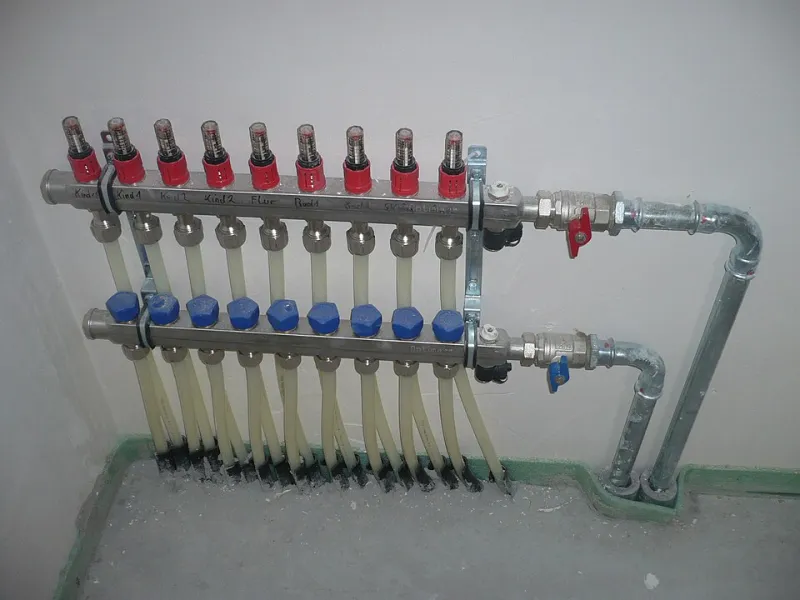
- Where will cables, pipes, manifolds, sensors and thermostats sit, and can they be hidden without cutting into historic walls?
- What drawings, photos and product details would the officer like to see?
In a listed home, reversibility is your friend. A slim mat tucked under a removable floor finish is usually an easier conversation than a deep screed that swallows up a doorway. That does not automatically make electric heating the right answer, but it often makes the permission question simpler.
Where slim electric systems fit
Electric mats and loose cables are popular in small period rooms because they add very little height. A bathroom, ensuite, cloakroom or small kitchen can sometimes take a thin system under tile or stone without disturbing the joists or creating a major floor build-up. They warm up quickly, which suits rooms used in short bursts.
But slim does not mean risk-free. The floor still needs a suitable substrate, the finish must be compatible, and insulation underneath matters if you do not want to pay for heat that disappears downwards. In older homes, ask whether the proposed build-up is breathable. A plastic-rich sandwich over a traditionally built solid floor can trap moisture and create a different problem from the one you set out to solve.
Electric systems also tend to cost more per hour to run than a well-designed wet system, so they make most sense in smaller rooms rather than as a whole-house solution. If someone promises cheap whole-home electric UFH in a draughty listed cottage, ask for the running-cost figures in writing.
When wet systems are a non-starter
Wet underfloor heating needs pipework, insulation and usually a screed or a low-profile plate system. In a period property, that can mean raising floor levels, notching joists, removing historic floor surfaces or adding significant weight. Sometimes those things are acceptable with careful design. Sometimes they are simply not.
A wet system is a poor fit where the original floor is an important feature, where thresholds cannot be changed, where joists cannot safely take the work, or where the conservation officer is not convinced the benefit outweighs the harm. It is also a hard sell over a solid floor with no damp course if the build-up would trap moisture. And if the house is already tight on headroom or has a delicate staircase, a few extra centimetres can ripple through the whole project.
None of this means period homes cannot have warm floors. It means the design has to start with a measured survey and an honest conversation about what the building will tolerate.
Breathability is not a buzzword
Old Nottinghamshire homes often have solid walls, lime finishes and floors that were designed to move moisture. Modern cement screeds, plastic membranes and sealed finishes can change that behaviour. Add gentle heat and you may shift where condensation forms. That is why a damp survey and a vapour-open build-up are worth more than a glossy brochure.
Ask your installer how the floor will breathe, how the system will be commissioned, and what happens if a leak or sensor failure occurs. In a listed building, a repair strategy matters as much as the heat output.
Keep the paper trail
As of late 2026, buyers and insurers ask more questions about altered period homes, not fewer. Keep the listed building consent, drawings, installer details, product datasheets, electrical certificates, photos of the floor before and during the work, and a simple note explaining what was installed and why. Tell your insurer about the work. If you sell, that folder is far more useful than a verbal promise that it was all done properly.
A sensible order of play
Start with the conservation officer, then the survey, then the floor build-up, then the heating kit. Check breathability and floor heights before you fall in love with a particular system. Price the running costs, not just the supply. And document everything as if the next owner will ask — because they will.
Warm toes in a protected Notts home are possible. They just need a little more respect for the floor beneath them.