The Warm Floor's Blind Spots: A Room-by-Room Rug and Furniture Audit for Notts Homes
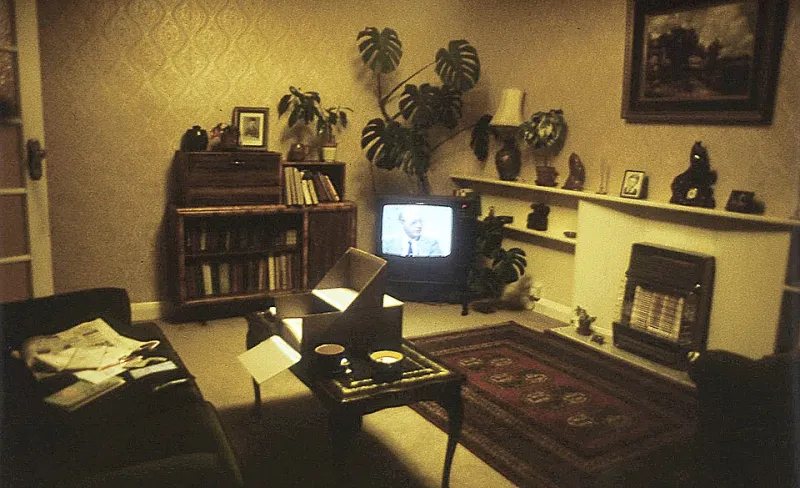
Photo: Gmihail at Serbian Wikipedia, CC BY-SA 3.0 rs, via Wikimedia Commons
Underfloor heating has a reputation for being the quiet, even-tempered option. No radiators clanking, no cold corners, just a gentle warmth underfoot. Then someone puts down a deep-pile rug, shoves a sofa tight against the wall and wonders why the living room feels slow to warm while the hallway feels toasty. The floor is doing its job. It's what's sitting on top that's causing the niggle.
This isn't about banning rugs or living like a show home. It's about understanding that a warm floor needs a bit of breathing room. Think of it as a room-by-room audit — the sort of thing you can do on a wet Saturday in Nottinghamshire with a mug of tea and a critical eye.
Why a warm floor needs breathing room
Underfloor heating works by warming a large surface area at a relatively low temperature. That heat then rises gently into the room. Anything that sits on the floor and insulates it — a thick rug, a rubber-backed mat, a heavy piece of furniture with a solid base — acts like a blanket. The heat is still there, but it can't get into the room easily.
The result is often a warm patch under the rug and a cooler room overall. Your thermostat sees the air temperature lagging, so it keeps calling for heat. The system works harder, the floor gets hotter in the unblocked areas, and your energy bill quietly creeps up. In a well-insulated West Bridgford semi or a stone-built cottage near Southwell, the effect can be more noticeable because the UFH is trying to run at low flow temperatures.
The three usual suspects
Thick pile rugs. A deep shaggy rug is lovely underfoot, but it's also a very effective insulator. If it covers a large part of a heated zone, that section of floor can't release heat properly.
Rubber-backed mats. These are common in kitchens and hallways. The rubber backing traps moisture and heat, and it can make the floor beneath it run hotter than it should. Over time, that isn't kind to some floor finishes either.
Furniture footprints. A sofa with a solid plinth, a heavy sideboard, a bed frame with a deep divan base — these all block heat. It's rarely a disaster, but a room with 40% of its floor covered by heavy furniture will feel different from one with legs and air gaps.
Placement rules that actually work
You don't need to redesign the room. A few simple habits make a real difference.
- Leave a gap of at least 5–10cm between the edge of a large rug and the wall. This lets heat escape around the sides rather than being sealed in.
- Prefer rugs that cover less than half of a heated floor area. If you want a large rug, choose a thinner one with a breathable backing.
- Use felt or woven underlay rather than rubber or foam. It still gives cushioning but lets more heat through.
- Lift furniture onto legs where you can. Glides or small feet create an air gap under sofas and cabinets.
- Don't push heavy furniture tight into corners over a manifold or pipe run. Give the floor a little room to breathe.
Choosing rugs and underlay for a warm floor
Natural fibres such as wool, jute, cotton and sisal tend to work better than synthetic deep pile. They're breathable and don't trap heat in the same way. A wool rug with a thin, woven backing is a sensible default for a living room or bedroom.
If you want something softer, look for a low tog rating or ask the retailer whether it's suitable for underfloor heating. Avoid anything described as 'thermal' or 'heat-retaining' — that's the opposite of what you want. Rubber-backed bath mats and kitchen runners are best kept small and moved occasionally so the floor isn't permanently covered.
Underlay is the hidden variable. A thick, dense foam underlay under a rug will block heat. A thin felt or recycled textile underlay is usually a better compromise. If you're layering a rug over carpet, remember that the carpet itself already insulates the floor; adding a thick rug on top can make that zone noticeably cooler.
Room-by-room check
Living room. This is where rugs do the most damage. Check whether the rug covers the main seating area and whether the sofa sits on legs or a solid base. If the room feels slow to warm, roll the rug back for an afternoon and see if it makes a difference. You don't need to live without it — just downsize or choose a thinner pile.
Kitchen-diner. Rubber-backed mats by the sink and hob are common. Keep them small and lift them when the heating is on for long periods. Check that the dining table and chairs aren't sitting on a huge rug that covers most of the heated zone.
Bedroom. A bed with a divan base blocks heat under a large footprint. That's usually fine, but don't add a thick rug around the bed as well. Leave a clear strip of floor at the foot and sides so the room can warm evenly.
Hallway. Runners are useful, but rubber-backed ones can trap heat and moisture. Choose a washable cotton runner or a thin wool one, and avoid covering the entire hallway floor.
Conservatory or garden office. These rooms often have more glass and less insulation. A thick rug here can make a cool room feel colder because the UFH can't get its heat into the air. Keep floor coverings minimal and breathable.
When to call someone in
If one room stays stubbornly cool while the rest of the house is fine, and you've checked the rugs and furniture, it's worth having the system looked at. It could be a balancing issue, a trapped air pocket or a zone that needs its flow rate adjusted. A local Nottinghamshire installer can check the manifold and confirm whether the floor covering is the culprit or whether something else needs attention.
Warm floors are forgiving, but they're not mind readers. Give them a little space, choose rugs that let heat through, and don't bury the floor under heavy furniture. Your feet will still be warm — and your system won't be working overtime to prove it.